The Science of Sleep: How Quality Rest Transforms Your Day
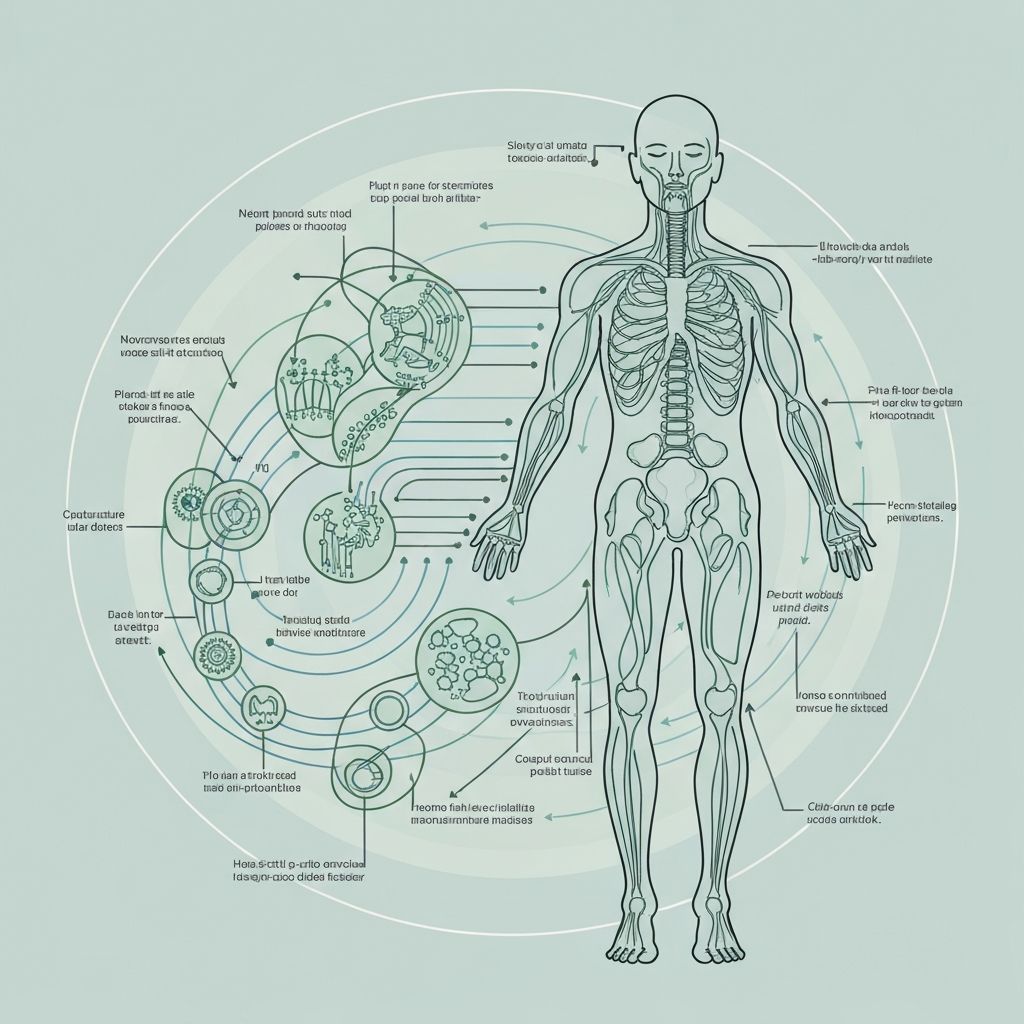
Sleep is a fundamental biological necessity, not merely a period of inactivity. It is a complex, active process crucial for both physical and mental well-being. During sleep, our bodies and brains engage in vital restorative functions that are impossible to perform efficiently during wakefulness. Understanding the science behind sleep can illuminate its profound impact on our daily lives, influencing everything from mood and cognitive function to physical health and immunity.
Despite its critical role, sleep is often undervalued in modern society, frequently sacrificed in favor of work, social activities, or entertainment. However, chronic sleep deprivation or poor sleep quality can have significant adverse effects, highlighting the importance of prioritizing adequate rest. This exploration delves into the stages of sleep, its various functions, and the mechanisms that regulate our sleep-wake cycle.
The Stages of Sleep
Sleep is not a monolithic state but rather a dynamic process divided into distinct stages, cycling through them several times each night. These stages are broadly categorized into Non-Rapid Eye Movement (NREM) sleep and Rapid Eye Movement (REM) sleep.
NREM sleep accounts for about 75% of total sleep time and consists of three stages: N1 (Stage 1) is the lightest stage of sleep, typically lasting a few minutes, characterized by slowed brain waves and muscle activity. N2 (Stage 2) is a deeper stage where heart rate and body temperature decrease, constituting about 50% of total sleep, with characteristic sleep spindles and K-complexes. N3 (Stage 3), formerly known as deep or slow-wave sleep, is the most restorative stage with very slow brain waves (delta waves), crucial for physical repair, growth, and immune system function.
REM sleep, which typically begins about 90 minutes after falling asleep, is characterized by rapid eye movements, temporary muscle paralysis, and vivid dreaming. This stage is vital for cognitive functions such as memory consolidation, emotional processing, and learning.
The Circadian Rhythm and Homeostatic Drive
Two primary biological mechanisms regulate our sleep-wake cycle: the circadian rhythm and homeostatic sleep drive. The circadian rhythm is an internal 24-hour clock located in the brain's suprachiasmatic nucleus (SCN), regulating various physiological processes in sync with the day-night cycle. Light exposure, particularly to the eyes, is the most powerful synchronizer. Melatonin, a hormone released by the pineal gland, plays a crucial role in signaling darkness and promoting sleep.
Homeostatic sleep drive, often referred to as "sleep pressure," builds up throughout the day the longer we are awake. Adenosine, a neuromodulator, accumulates in the brain during wakefulness, promoting drowsiness. Sleep dissipates this adenosine, reducing the drive to sleep. The interplay between these two systems ensures that we feel tired at night and alert during the day.
Functions of Sleep
Sleep serves numerous critical functions: Restoration and Repair during deep NREM sleep repairs tissues, synthesizes hormones, and consolidates energy. Memory Consolidation occurs both in NREM and REM sleep, transforming short-term memories into long-term ones. Emotional Regulation happens particularly in REM sleep, helping process emotional experiences and regulate mood. Cognitive Function is enhanced as sleep is essential for attention, concentration, problem-solving, and creativity. Immune System Support is critical as sleep deprivation weakens immunity. Waste Clearance occurs through the glymphatic system, which is most active during sleep, effectively "cleaning" the brain.
In conclusion, sleep is a complex and vital process governed by intricate biological rhythms. Prioritizing quality sleep is not a luxury but a fundamental component of maintaining optimal physical health, cognitive function, and emotional well-being. Understanding its scientific basis can empower individuals to make more informed choices about their rest patterns and appreciate sleep as a cornerstone of daily vitality.
Educational content only. No promises of outcomes.